Published: October 2022
Keywords:
James Furrow, Petros Polychronis, Family therapy, Emotionally Focused Therapy - EFT, Emotionally Focused Family Therapy - EFFT, gratefulness
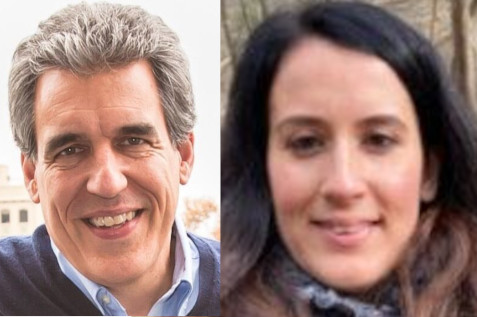
James L Furrow
James L Furrow, MFT, Ph.D., is a Family Therapist, recognized leader and contributor to the practice of Emotionally Focused Therapy (EFT) with couples and families. He is author and editor of five EFT texts including “Emotionally Focused Family Therapy: Restoring Connection and Promoting Resilience” and “Becoming an Emotionally Focused Therapist: The Workbook”. His research on couple therapy and positive youth development are found in field-leading publications. He is a clinical fellow and an approved supervisor with the American Association for Marriage and Family Therapy, (AAMFT) and a Certified Family Life Educator. Jim co-founded the Los Angeles Center for Emotionally Focused Therapy and is an ICEEFT Certified EFT therapist, supervisor, and trainer.
Aphrodite Rallatou
Aphrodite Rallatou is a Psychologist, M.Sc., Systemic Family Therapist trained at the (Athenian Institute of Anthropos (ΑΙΑ). She is an EFT therapist and member of the Coordinating Group of the EFT Greek Network. Aphrodite is a certified tester and “expert witness” in the Greek courts. She works in private practice with groups, families, and couples.
Abstract
James Furrow, a Family Therapist who – along with Sue Johnson – created Emotionally Focused Family Therapy (EFFT), engages in a conversation with Aphrodite Rallatou in honour of Petros Polychronis. Jim shares what led him to adapt EFT to family therapy and stresses the primary importance of creating a safe space with family members and utilizing their deep emotions so as to promote growth and change in relational patterns.
As part of his personal meaning, he speaks about the value of humility and gratefulness for belonging to networks of people with who he collaborates and who support him in his journey. He expresses his need to ‘give back’ to the community by contributing to a more humane world and refers to his appreciation of Petros Polychronis and particularly to his view of happiness and meaning as a collective process.