Published: March 2026
Keywords:
Alan Wade. Imelda McCarthy, resistance, language of effects, language of peaceful passivity, non violent resistance, agency.
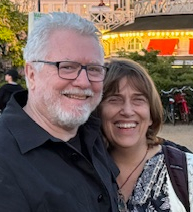
Imelda McCarthy
Dr Imelda McCarthy works as a systemic therapist / supervisor in Independent Practice. She also facilitates a weekly Fifth Province Sangha meditation group and Spiritual Direction.
Her work on the Fifth Province has been published and presented internationally in over 20 countries and has been translated into 9 languages. She is one of the co-founders of the Family Therapy Association of Ireland and the first FT training programme in Ireland. She is proud to have been on the editorial boards of Major international systemic therapy journals in Ireland, UK, USA , Greece and Australia. She has co-edited two international books with Carmel Flaskas and Jim Sheehan, “Hope and Despair in Narrative and Family Therapy” (2007) and with Gail Simon, “Systemic Therapy as Transformative Practice” (2017).
Imelda retired from 30 years teaching in Social Science at University College Dublin where she had initiated their first PhD programme in Families and Systemic Therapies.
Abstract
Following the screening of the video with Allan Wade and Imelda McCarthy, Imelda joined live via Zoom for a discussion with the audience.
This video presents most of that exchange.
The discussion reflects on Alan Wade’s response-based approach, emphasising agency and resistance rather than passivity in experiences of abuse, trauma, and oppression.
Speakers highlight how language shapes dignity, noting that even silence or compliance can be active, intelligent forms of self-protection, not weakness. The conversation connects individual trauma with broader social, political, and cultural structures-including policing, patriarchy, neoliberalism, pornography, and media violence-arguing that societies normalise violence through discourse and spectacle.
Participants stress the need for ongoing education, feminist responsibility across genders, and careful, non-retraumatizing practices. Drawing on Prigogine, the idea of creating “small islands of coherence” emerges, with Metalogos presented as one such space: a transcontextual community fostering dialogue, plurality, and ethical resistance against fragmentation and authoritarianism.