Published: October 2023
Keywords:
Collaborative-Dialogical Practices, Collaborative Theories, Collaborative Recovery Model, NISAPI Community Engagement.
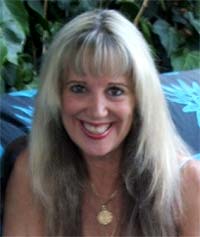
Dr Susan Swim
Susan Swim, PhD, Executive Director Now I See A Person Institute. I have almost four decades of helping to serve the most hopeless of populations, especially those clients and their families who have lost all hope and have not found success in previous therapies, hospitals, medical regimes, or institutionalizations. My passion is to aid our field to see people as people suffering through trauma and not bound to it and that diagnosis and labels are not a person. These are social justice issues. We find with the client being a collaborative partner for change and honored for their resiliency and strengths that up to 98% of our clients (qualitative research) transform along with their families.
swiminc@aol.com
David Abramovich
David Abramovich, JD, MA, MFTA, Faculty Now I See A Person Institute. My mission is to help populations who have not been heard, but have been labeled and help these populations be given the chance to be seen as a person and for these lenses to become inter- generational.
Emma Wilson
Emma Wilson Emma Mackintosh, MSW, Faculty Now I See A Person Institute. I was born and raised in Northern Ireland, a divided society where I observed oppression and developed a strong sense of social justice values. At Now I See A Person I am able to apply, focus and grow these values for the people we relate with.
Megan Kadler
Megan Kadler, MA, MC, Faculty Now I See A Person Institute. My journey to Now I See a Person Institute (NISAPI) began with an inquiry into the existence of alternative perspectives to prevailing medicalized and diagnostic approaches for being with people in therapy. My passions include seeing people and symptoms as relational and in discourse, not bound to a diagnosis or label, and not treated as a diagnosis or label to heal and transform.
Abstract
This research reflects the concepts of a novel systemic recovery model to induce sustainable change in clients previously considered unable to change and not progressing in traditional models of therapy. It is based on the work of the Houston-Galveston Institute and Collaborative-Dialogical Practices. We call this recovery model Community Engagement: A Collaborative Recovery Model (CEACRM). CEACRM embraces the tenant of recovery and collaborative theories. (Anderson, 1997; Anderson & Gehart, 2007; Gehart, 2012; Swim, Priest & Makawa, 2013).