Published: December 2022
Keywords:
Draper, Marcellino, Location, Dislocation, Relocation, Trauma.
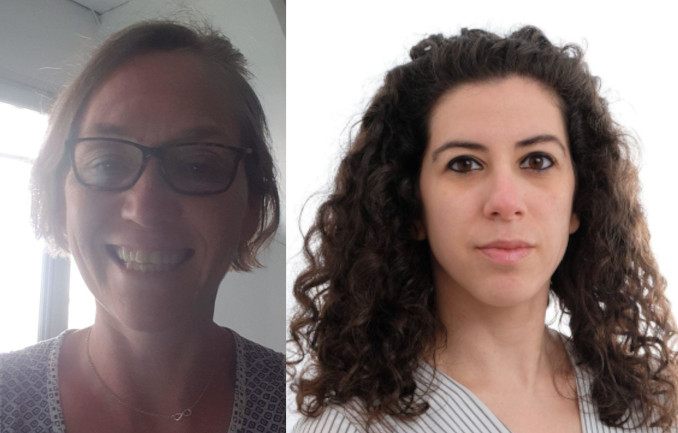
Ana Draper
Dr Ana Draper is a clinical lead and consultant systemic psychotherapist. She is a doctor in systemic psychotherapy, a clinical supervisor. She has worked in the field of childhood bereavement and palliative care, in asylum with unaccompanied asylum-seeking children and adoption. Her research has been recognised at an international level and she has presented her clinical work with children in Ecuador, Malawi, Sierra Leone and Malaysia. Her work with Unaccompanied Asylum-Seeking Children is an embodied approach to therapeutic practice which has gone on to be used nationally.
ana.draper@improvedfutures.com / ana.draper@nhs.net
Elisa Marcellino
Dr Elisa Marcellino is a Clinical, Counselling and Health Psychologist with work experience in the UK and Italy with leading organisations including the NHS, Coram and the Italian Air Force. She has worked for several years with young people presenting with multiple traumas and adverse life experiences. This includes working with unaccompanied minors, adopted children and young offenders. Her research work has been published internationally.
elisa.marcellino@improvedfutures.com / elisamarcellino4@gmail.com / info@improvedfutures.com
Abstract
This presentation will provide a contextualised understanding derived from an action research project that looked at the emotional health and wellbeing of unaccompanied asylum-seeking children in Kent. The experience of trauma is triangulated for these children in that they have run from their homeland due to adverse circumstances such as war, racial conflict, and threat to their lives. They then make the journey to escape and can experience the death of others on the journey, trafficking, torture as well as being illegal and needing to remain hidden. On arrival to the UK, they face further questions of legitimacy, age assessments and the prolonged uncertainty of gaining asylum. The distress experienced is compounded due to multiple transitions being made because of the migration trajectory.
The learning and findings of the action research process are described with the development of an emergent framework informed by the children themselves and those involved in supporting them. In describing the findings, it introduces and elaborates on a developed social constructionist and narrative framework of therapeutic tools that can be used to support unaccompanied asylum-seeking children. This framework, has been further developed, delivered, and investigated by the authors over many years as a methodology that explores storytelling and meaning making from situated perspectives.
The framework starts with the self and identity because in the humanising and normalising of the other we can understand, and connections can be made. The I, which is me, is the person who looks with a certain focus and vision and weaves together emergent patterns.
In the move from a medicalised paradigm, the authors have developed a narrative construct from which the framework becomes situated. The framework uses a geographical descriptor that creates the inter-determinacy between a sense of being located, dislocated, and relocated.