Published: December 2022
Keywords:
Ana Draper, Elisa Marcellino, Curative Therapeutic Practice, Therapist, Supervisor, Supervision Models, Art, Artistry, Care, Equality, Social Constructionism, Dialogic Reflexive Discussion.
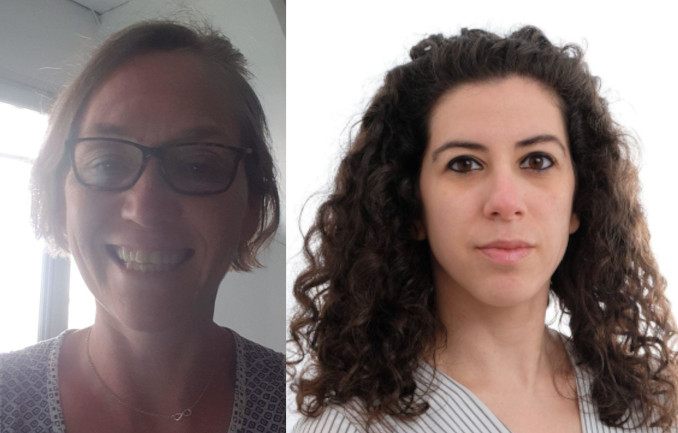
Ana Draper
Dr Ana Draper is a clinical lead and consultant systemic psychotherapist. She is a doctor in systemic psychotherapy, a clinical supervisor. She has worked in the field of childhood bereavement and palliative care, in asylum with unaccompanied asylum-seeking children and adoption. Her research has been recognised at an international level and she has presented her clinical work with children in Ecuador, Malawi, Sierra Leone and Malaysia. Her work with Unaccompanied Asylum-Seeking Children is an embodied approach to therapeutic practice which has gone on to be used nationally.
ana.draper@improvedfutures.com / ana.draper@nhs.net
Elisa Marcellino
Dr Elisa Marcellino is a Clinical, Counselling and Health Psychologist with work experience in the UK and Italy with leading organisations including the NHS, Coram and the Italian Air Force. She has worked for several years with young people presenting with multiple traumas and adverse life experiences. This includes working with unaccompanied minors, adopted children and young offenders. Her research work has been published internationally.
elisa.marcellino@improvedfutures.com / elisamarcellino4@gmail.com / info@improvedfutures.com
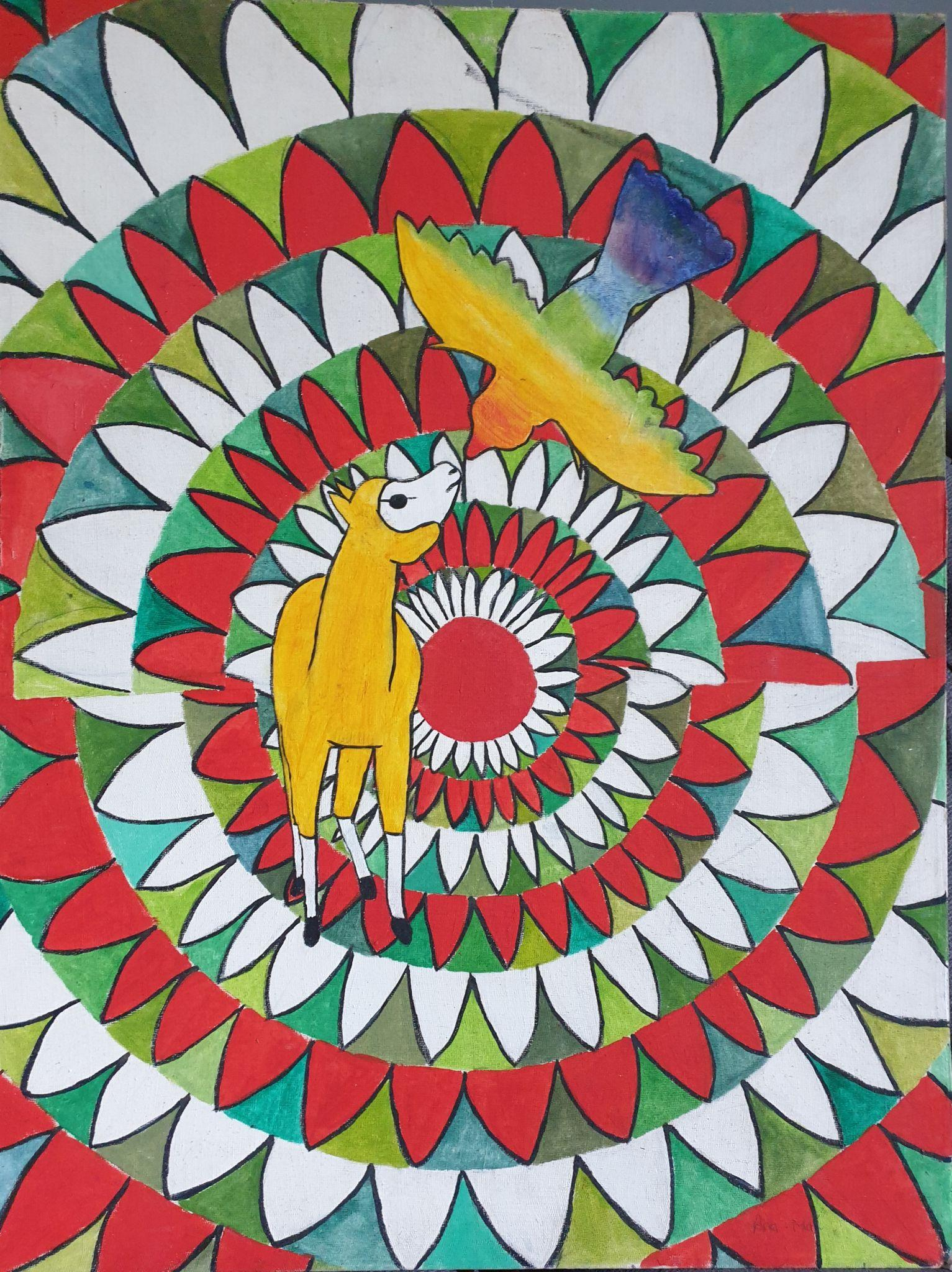
“The internal world and inner journeys” by Ana Draper
Description of this painting: Ana first met Elisa when she interviewed her for a role. She got the job, and Ana was her manager and supervisor. Yet it didn't stay that way, and they started a journey of discovering each other and becoming colleagues, business partners, friends and family. When Elisa got married, Ana gave her the gift of her artistry, a representation of their evolving friendship with new chapters to have still.
Abstract
In this paper, we explored and defined the characteristics of systemic supervision to consider how this is different from other therapeutic disciplines and to critique and develop an understanding of our identity as supervisors.
The use of language and the constructs formed that disadvantage the supervisor/supervisee relationship will be considered. In reviewing the linguistics used, we will utilise ideas from the world of art to reposition ourselves to the role of supervisor.