Published: October 2022
Keywords:
Ecology, systemic, whole, parts, emergence, noun-verb.
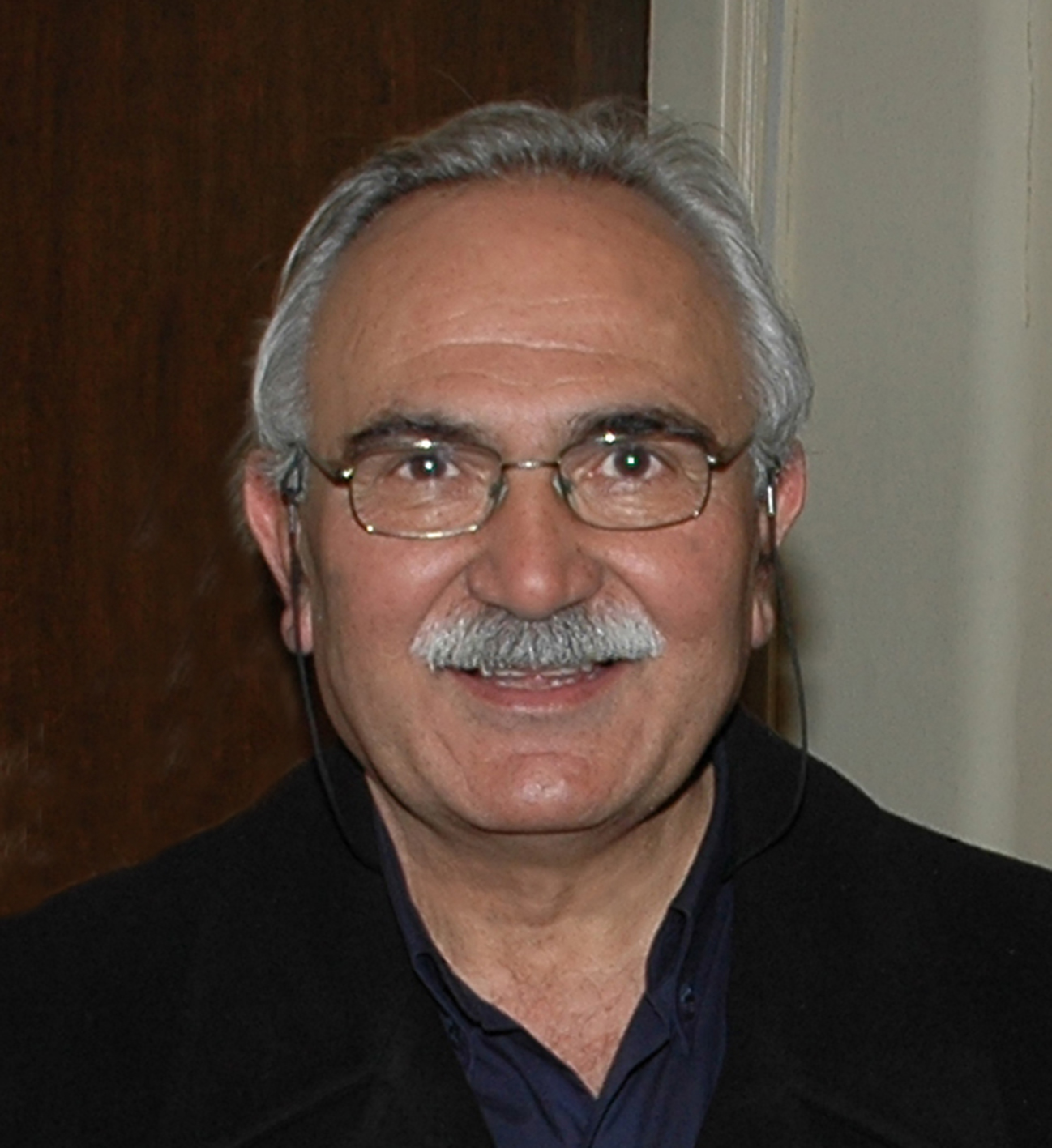
Sakis Kourouzidis
Sakis Kourouzidis was born in 1951. He studied geology in Italy and obtained his doctorate in seismology at Aristotle University of Thessaloniki (AUTH). He worked as a seismologist at the Geodynamic Institute for 35 years. In 1994, he founded and since then directs the Evonymos Ecological Library, which has been operating up until now. He published many books on ecology, ecological literature and the environment. He wrote articles in newspapers, magazines and ecological publications. He was a member of the editorial board of several publications and directed the ecological magazines New Ecology and Demon of Ecology.
Abstract
Ecological science appears in the middle of 19th century, while Social Psychiatry a century later. But systemic theory has evolved faster and has fully developed its techniques, in particular. This also results from an informal dialogue between ecological and systemic methodology, between ecology and social psychiatry. Searching for the "whole" and the "parts", throughout history but also at the present time. From the Homeric perception of the parts to the current request for a holistic perspective. From the need to nominalise the verbs and produce “clear” concepts and vice versa; to produce the process, the emergence, a concept that is now central to systemic theory. The present phase of ecology attempts to highlight the unhealthy relationships between human society and nature, just like social psychiatry attempts to point out the unhealthy relationships between people. This new epistemology that goes beyond classical determinism, leads to a holistic view of the human functions and his relationships with the natural environment.